Male hair transplant results designed for natural masculine confidence.
Male-focused iGraft Long Hair FUE transformations for hairline recession, crown thinning, and density restoration — planned for natural results, discretion, and everyday confidence in the room a man already occupies.
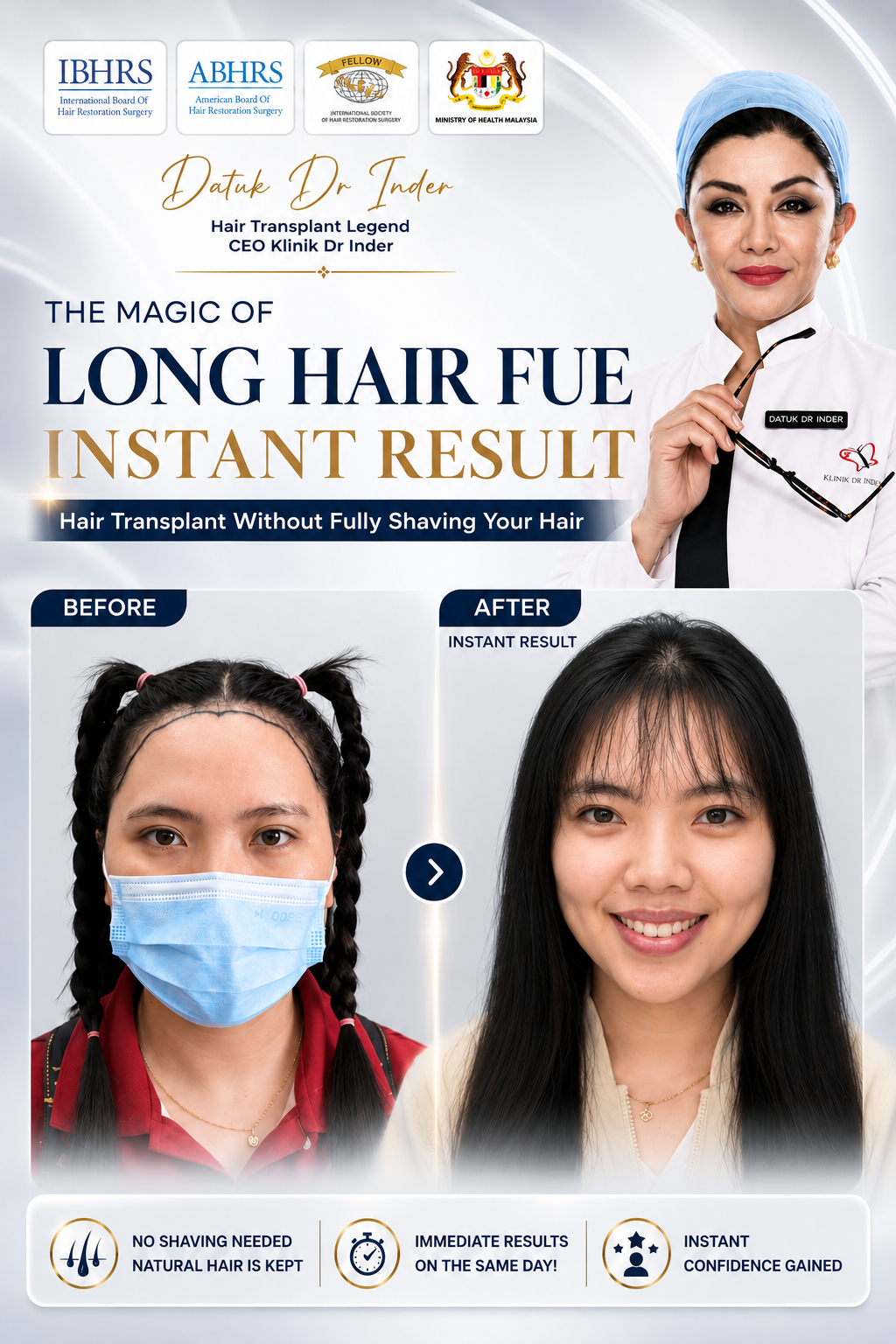
Calibrated to a man's face, not to a template.
This page is dedicated to male-specific transformations — the M-shape, the frontal corners, the crown, and advanced thinning. Each case is planned around facial structure, recession pattern, donor strength, and the kind of discretion a working life requires. The intent is a sharper, more refreshed appearance — a masculine identity preserved, not redrawn.
Studies, organised by concern.
Browse male-specific work by recession pattern, treatment area, and stage of growth.
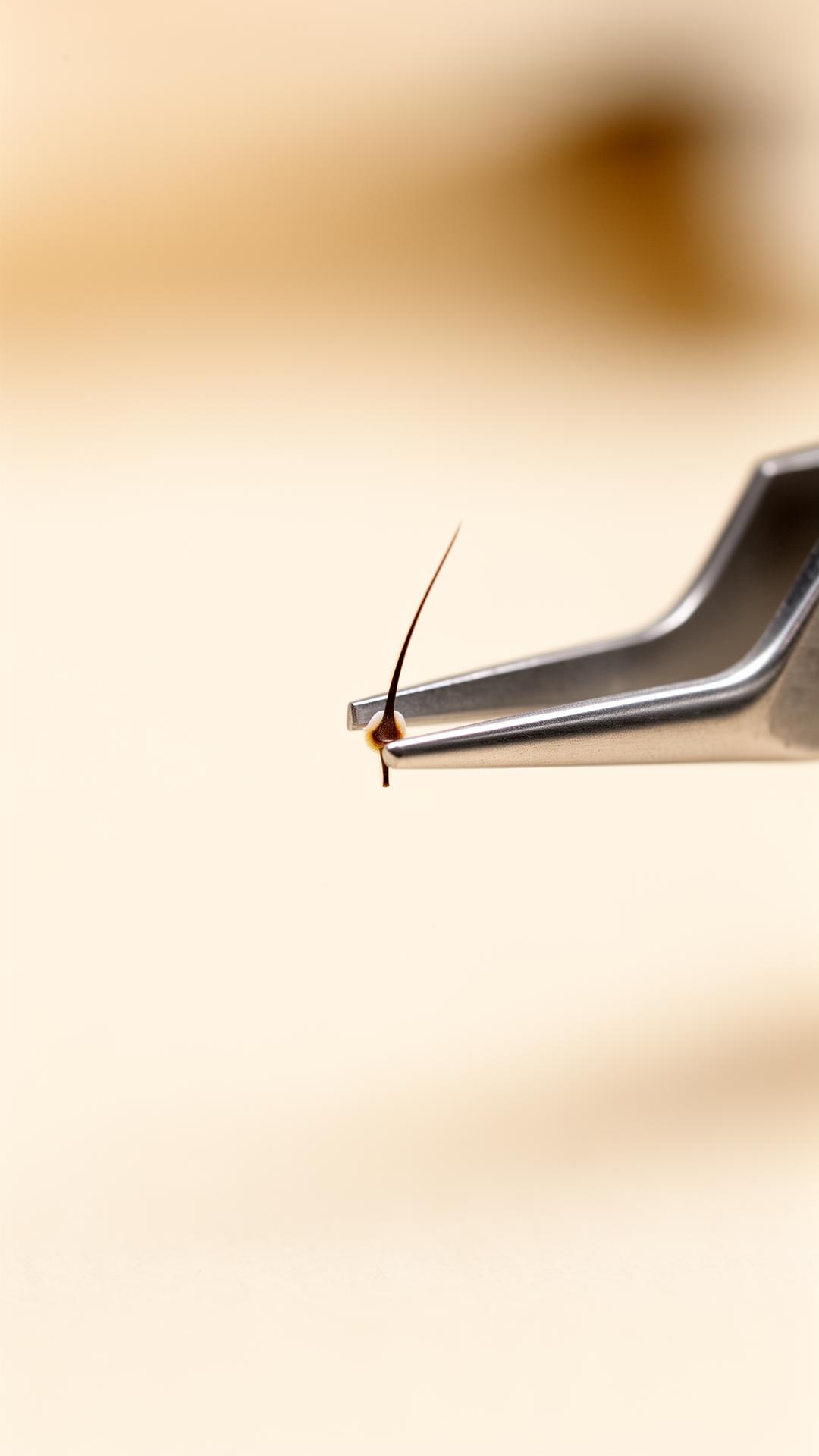 M-Shape — Restored Frame01
Frontal and lateral recession unified as a single architecture, rebalancing the upper third of the face.
- Concern
- Norwood III M-shape recession
- Area treated
- Frontal & lateral corners
- Why Long Hair FUE
- Stable donor, executive recovery without shaving
- Stage
- Month 12
- Naturalness
- Irregular leading edge, no straight line
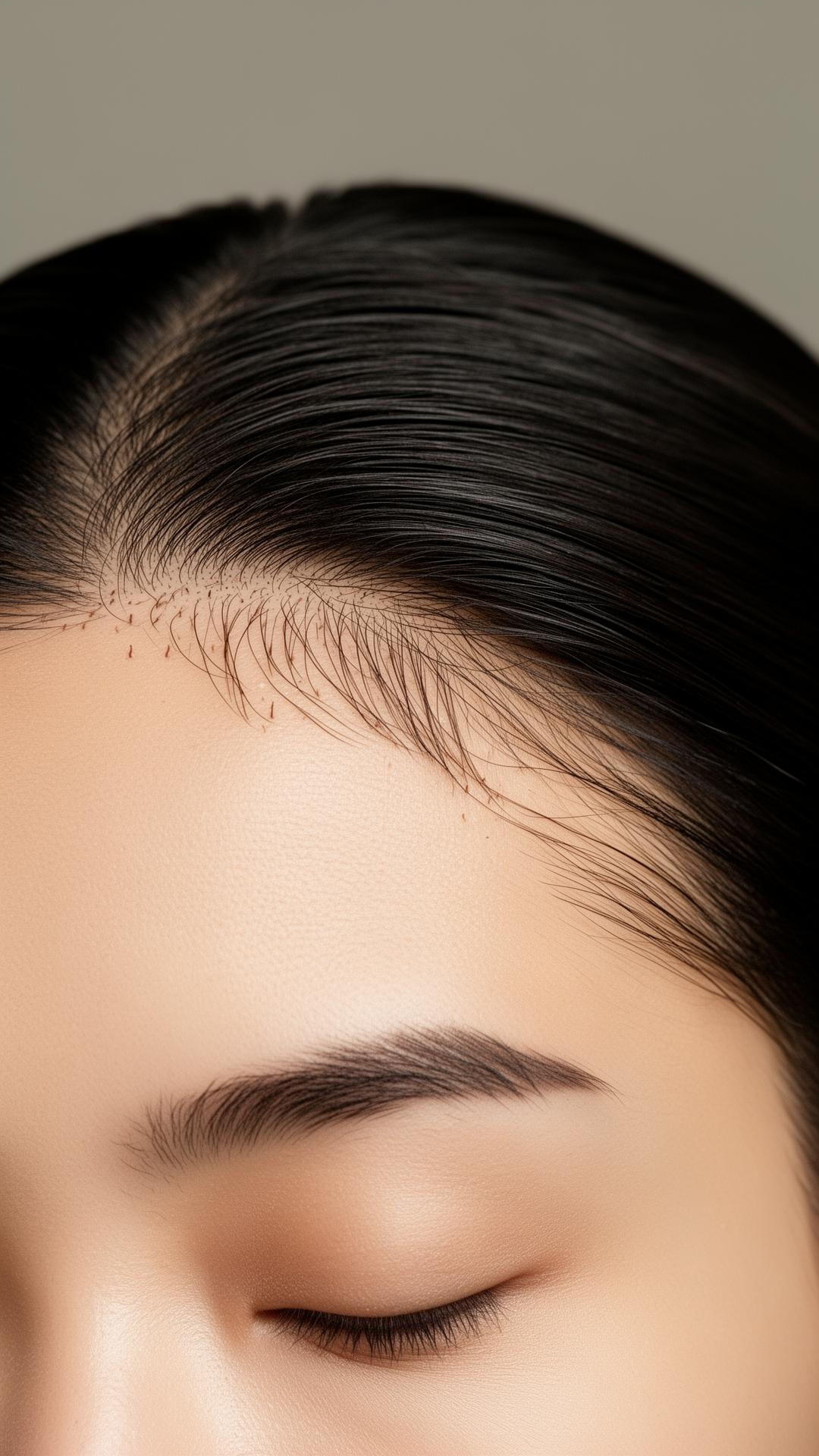 M-Shape — Lateral Softening02
Aggressive corner recession softened to read continuous with the patient's existing temple line.
- Concern
- Sharp lateral corners
- Area treated
- Bilateral fronto-temporal angles
- Why Long Hair FUE
- Discreet design held within preserved length
- Stage
- Month 9
- Naturalness
- Continuous with native temple
- Frontal Hairline — Age-Appropriate03
A receding frontal line restored at a position true to age and facial proportion — never lowered for effect.
- Concern
- Receding frontal line
- Area treated
- Frontal third
- Why Long Hair FUE
- Surrounding length carried the recovery
- Stage
- Month 12
- Naturalness
- Reads as native at conversational distance
 Frontal Hairline — Density Rebuild04
Diffuse frontal thinning rebuilt for visual weight, returning structure to the upper face.
- Concern
- Diffuse frontal thinning
- Area treated
- Frontal third & mid-scalp transition
- Why Long Hair FUE
- Founder-led plan, single session
- Stage
- Month 10
- Naturalness
- Density rises behind the leading edge
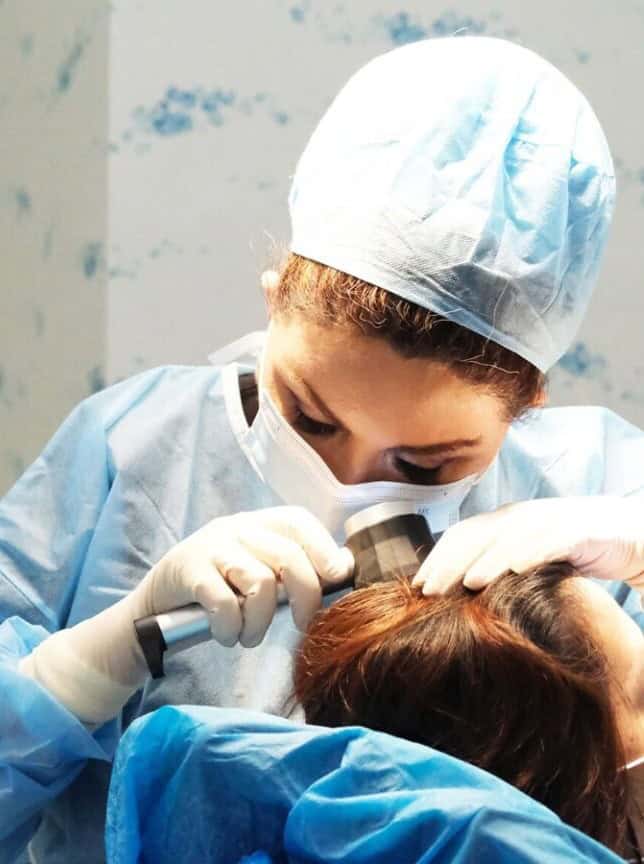 Crown — Whorl Restoration05
Density restored along the natural whorl, so the crown no longer thins under overhead lighting or reads in photographs from above.
- Concern
- Visible vertex thinning under bright light
- Area treated
- Crown / whorl
- Why Long Hair FUE
- Long surrounding hair concealed the work entirely
- Stage
- Month 12
- Naturalness
- Whorl direction preserved
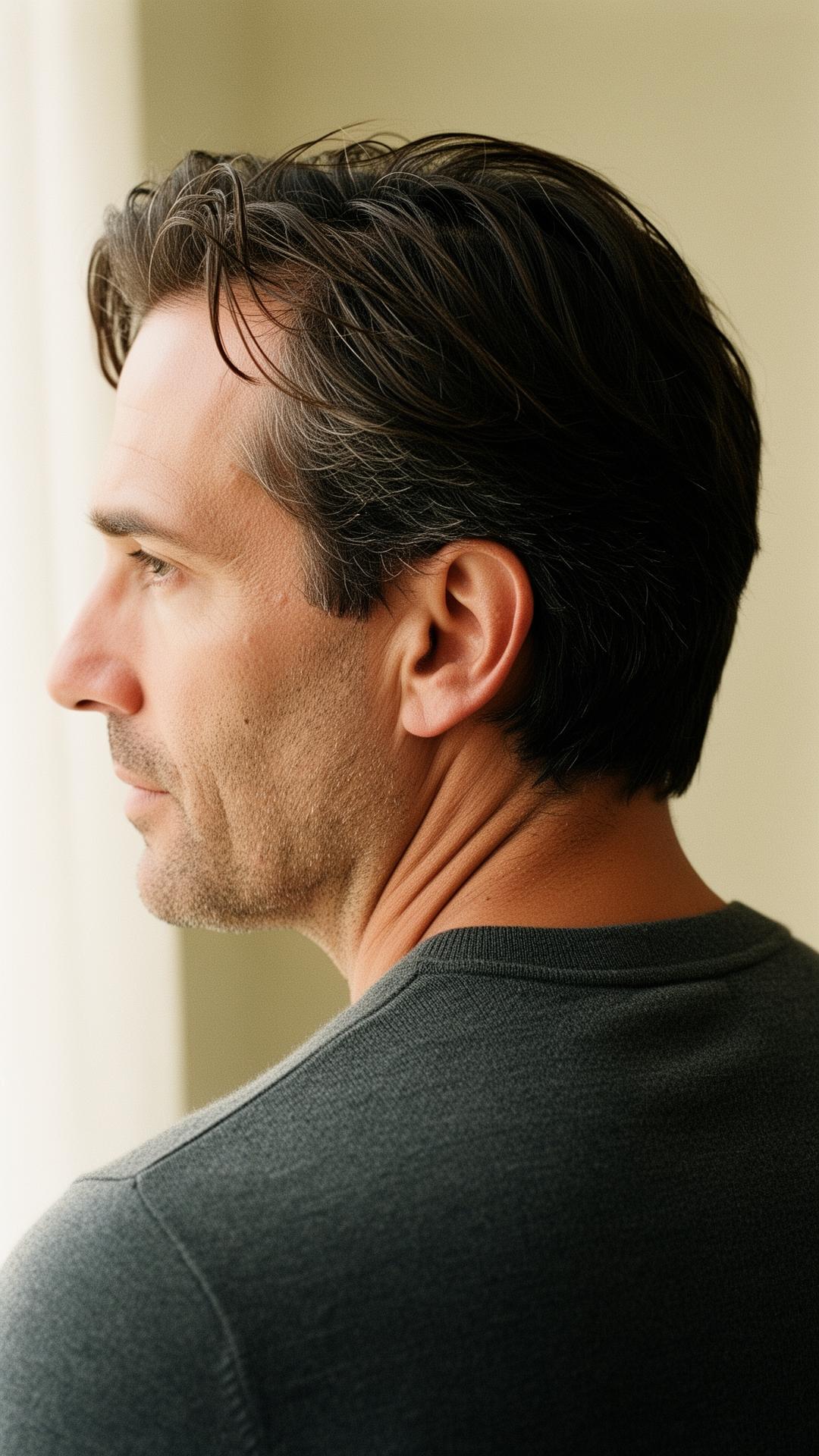 Crown — Coverage Continuity06
Crown rebuild carried forward into the mid-scalp — confidence restored in social settings, group photographs, and overhead light.
- Concern
- Crown into mid-scalp diffusion
- Area treated
- Vertex & mid-scalp
- Why Long Hair FUE
- Long Hair FUE preserved styling throughout recovery
- Stage
- Month 11
- Naturalness
- No visible boundary at the transition
- Advanced Thinning — Strategic Plan07
Advanced recession addressed with a long-term donor strategy — frontal weight prioritised, crown calibrated.
- Concern
- Norwood V, advanced recession
- Area treated
- Frontal, mid-scalp & crown
- Why Long Hair FUE
- Founder-planned donor budget across stages
- Stage
- Month 12 — Stage 1
- Naturalness
- Visual weight prioritised at the frontal third
- Advanced Thinning — Corrective Refinement08
Refinement of prior work — softened transition, restored direction, and discretion returned to the donor.
- Concern
- Prior work, lost direction
- Area treated
- Frontal & temple correction
- Why Long Hair FUE
- Hand-placed correction within preserved hair
- Stage
- Month 12
- Naturalness
- Direction and angle restored to native
- Donor — Day 709
The donor area, one week after the procedure, concealed entirely within the patient's own existing length.
- Concern
- Visible donor recovery
- Area treated
- Occipital donor
- Why Long Hair FUE
- No shaving — public life uninterrupted
- Stage
- Day 7
- Naturalness
- Read at full visible length
- Donor — Week 410
Donor zone at week four, undisturbed, integrated, and continuing to behave as the patient's own hair.
- Concern
- Long-term donor visibility
- Area treated
- Occipital donor
- Why Long Hair FUE
- Long Hair FUE preserved styling completely
- Stage
- Week 4
- Naturalness
- Indistinguishable from surrounding hair
See the restored hairline, the same day.
Because surrounding hair is preserved throughout the procedure, most male patients see the intended position of their restored hairline and crown on the same day — long before regrowth has begun. It is a quiet but meaningful reassurance, and a defining advantage of Long Hair FUE for men returning to public life quickly.
- 01
Surrounding hair preserved
No shaving means the existing hair continues to frame the face during and after the procedure.
- 02
Immediate framing preview
The intended position, density, and direction of the new hairline are visible the same day.
- 03
Discreet executive recovery
Many men return to work within days — no caps, no explanations, no disruption.
How a male result actually arrives.
The character of the work emerges across months — quietly, beneath surrounding hair, and without asking the patient to step away from his calendar. Each stage is documented in identical conditions.
- 01
Before
Baseline study under standardised lighting and angle.
- 02
Day 0 Preview
The intended hairline and crown design are visible the same day, within preserved hair.
- 03
Month 3
Initial shedding settles. Surrounding hair continues to carry the recovery.
- 04
Month 6
Early growth integrates within the existing frame; direction reads as native.
- 05
Month 12
Full character of the restored hairline, corners, and crown is established.
Sharper, refreshed, and unmistakably his own.
Age-appropriate framing
Hairlines are placed for the face a man already wears — calibrated to age, structure, and presence. Never lowered for effect, never pushed forward to chase a younger self.
Natural irregularity
A masculine hairline is a soft transition, not a line. Subtle irregularity at the leading edge is what allows the eye to read it as native hair rather than restored hair.
No artificial straight lines
Straight, uniform fronts are the most common signal of obvious work. Each frontal edge is drawn by hand, broken intentionally, and angled to the patient's existing growth.
Masculine density transition
Visual weight rises gradually behind the leading edge — open at the front, denser through the mid-scalp — so the result reads as refreshed appearance, not surgery.
A masculine line, drawn for the face.
Close studies of the frontal edge — the transition that decides whether a result reads as restoration or as work. Irregularity, angle, and softness are deliberate.
- Frontal EdgeSoft transition
- M-Shape FramingLateral balance
What the donor looks like, after.
Because no shaving is performed, the donor area is read at its visible length throughout. These studies show male donor zones in the weeks following the procedure.
- Donor — Day 7Concealed
- Donor — Week 4Undisturbed
- Donor — Month 3Integrated
Male studies, soon in moving image.
A small selection of male patient and clinical studies will be shared here in moving form — observed quietly, never as marketing.
- Coming soonWet Comb-ThroughComing soon
- Coming soonBarber StylingComing soon
- Coming soonSide Profile in MovementComing soon
- Coming soonReal-Life Density Under LightComing soon
- Coming soonNatural Frontal TransitionComing soon
- Coming soonDoctor ExplanationComing soon
What men tend to say.
- 01
“I returned to the office on the third day. Not one colleague mentioned it. They just said I looked sharper. That was the point.”
Founder · Frontal restoration
- 02
“I had been avoiding overhead lighting and group photographs for years. The crown reads as if it had always been there.”
Executive · Crown restoration
- 03
“It does not look like surgery. It looks like I aged a little better than I should have.”
Patient · M-shape restoration
Most male work is shared in private.
By consent
Only patients who choose to share their studies appear publicly. Everything else remains private.
Reviewed in consultation
A wider male archive — including executives, public figures, and corrective work — is reviewed personally with Datuk Dr. Inder.
Confidentiality first
Identity, lifestyle, and timing are protected as a matter of course. Discretion is the default.
Continue exploring men's hair restoration.
Adjacent context for male patients — from the master gallery to specific concerns and a private review of cases relevant to your own pattern.
- 01Results GalleryThe master proof of iGraft Long Hair FUE — across men and women.
- 02M-Shaped Hairline RestorationFrontal corner recession, planned and restored without shaving.
- 03Crown Hair TransplantDensity rebuilt along the whorl, blended into surrounding hair.
- 04Female Hair Transplant ResultsHairline lowering, temple framing, and part-line studies in women.
- 05Private ConsultationReview male-specific cases personally with Datuk Dr. Inder.
Assess your hairline, crown, and donor area.
Every male result depends on donor strength, recession pattern, density goals, facial proportions, and long-term planning. The first conversation is unhurried, founder-led, and held in considered private context.