A quiet practice, shaped by the patient.
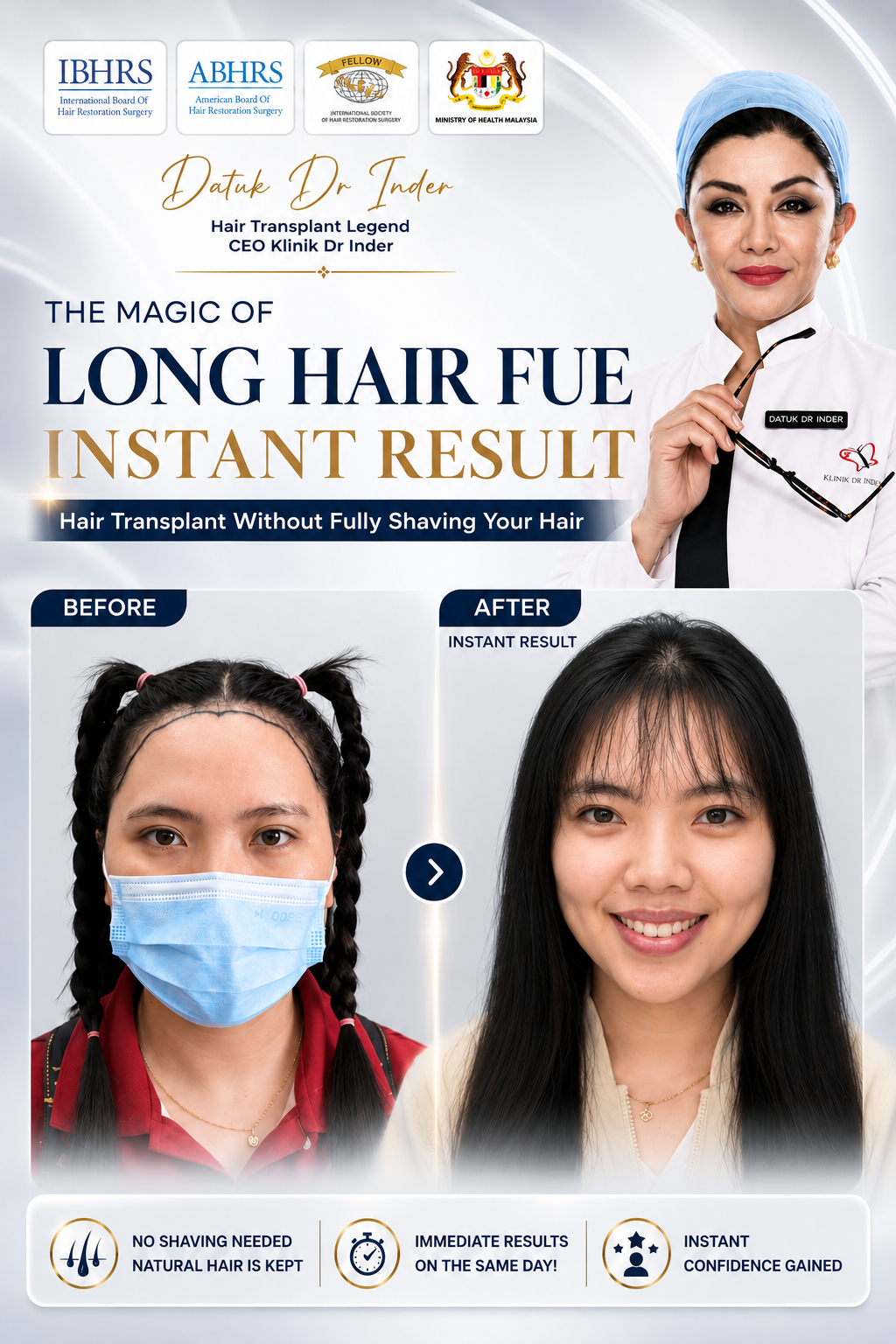
iGraft Long Hair FUE was built around a simple question: what would the work look like if the patient — not the procedure — sat at the centre of it? The answer has shaped the practice ever since.
Six principles, quietly observed.
These principles are not slogans. They describe the work itself — what is offered, how it is performed, and what the practice prefers not to do. “Hair restoration should not look like a procedure. It should look like it always belonged to the patient.” — Datuk Dr. Inder
- 01
Discretion
Privacy is treated as part of the clinical work, not a courtesy. The procedure is designed not to announce itself.
- 02
No-shave restoration
Performed within the patient's own preserved hair, so recovery happens beneath it.
- 03
A small practice
A limited number of patients per year, by appointment. Volume is not how the work is measured.
- 04
Natural integration
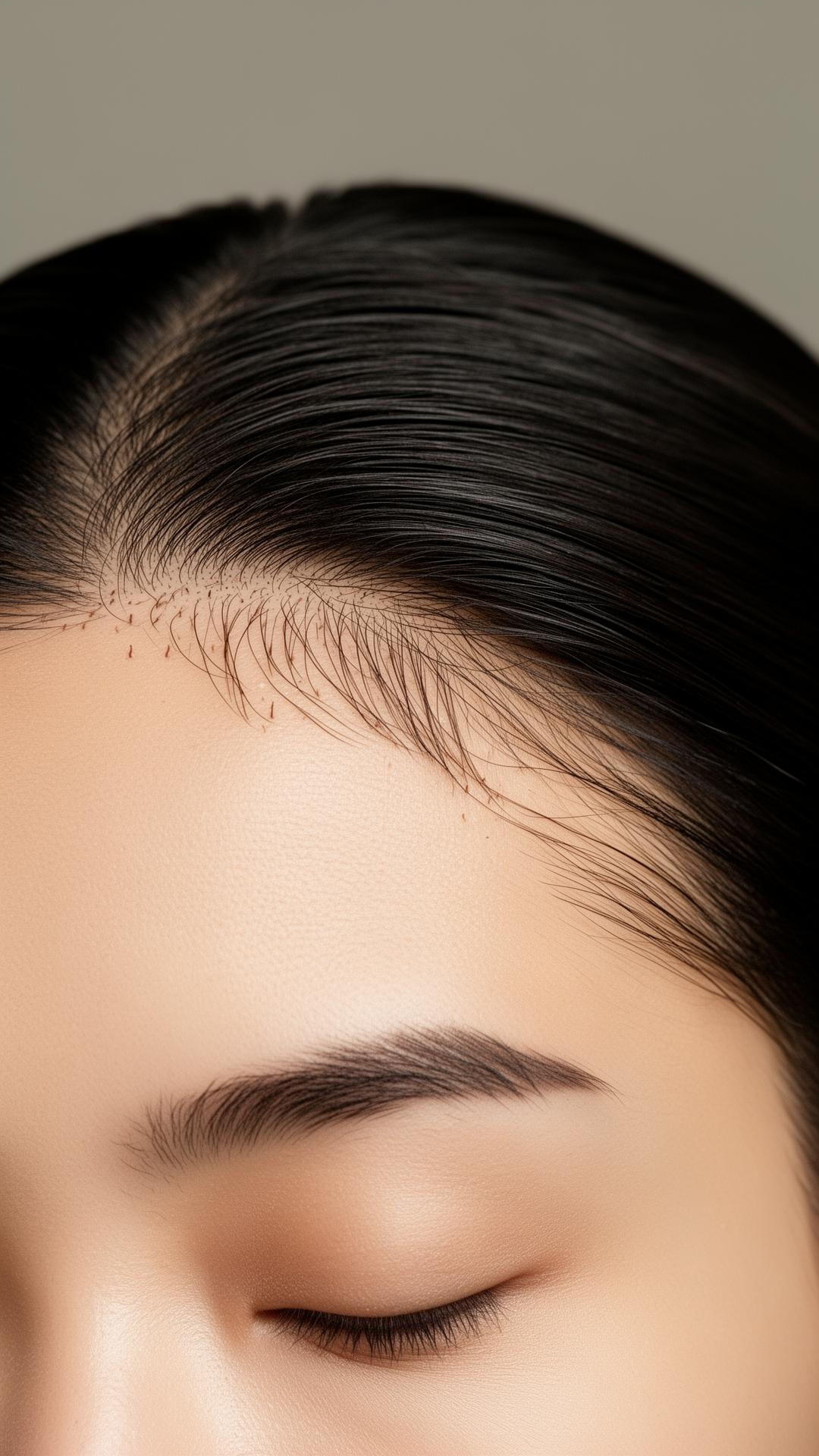
The result should read as the patient's own hair — in any room, at any age, in any photograph.
- 05
Consistency of attention
Every patient receives the same depth of design, the same time, and the same surgeon.
- 06
Quiet confidence
What returns to the patient is not only their hair, but the composure that follows restoration done well.
Restraint is part of the standard.
- 01Patient identities are not used in marketing
Patient studies are reviewed only in private consultation, never broadcast publicly.
- 02Outcomes are not guaranteed
A hairline is read in person. Realistic outcome ranges are explained openly, never overstated.
- 03The practice is not run on volume
Days are structured around depth of attention per patient rather than throughput.
- 04Key decisions are not delegated
Hairline design and graft placement are performed personally by the doctor.
How the philosophy shapes the work.
Principles only matter if they appear in the work. Here is how they show up across the patient's experience — from first conversation to twelve-month review.
- 01
In the consultation
Conducted personally, in private, by appointment. No shared waiting rooms, no overlapping schedules.
- 02
In the design
The hairline is drawn directly with the patient — calibrated to facial structure, age, and intention.
- 03
In the procedure
Selective extraction within preserved hair. The donor area is not visibly disturbed.
- 04
In the recovery
Healing happens beneath the patient's own hair. Most return to professional life within days.
- 05
In the review
Three, six, and twelve-month reviews are conducted personally — not deferred to an aftercare team.
Designed for long-term natural harmony.
A result is judged not only on the day it is revealed, but on how it continues to read across years. The philosophy considers donor preservation, future ageing patterns, natural transitions, and density that remains believable as the surrounding hair evolves. “What looks right at thirty-five should still look right at fifty-five.” — Datuk Dr. Inder
- 01
Donor preservation
Extraction is distributed to protect the long-term character of the donor area, not optimised for a single session.
- 02
Ageing patterns
Hairlines are designed for how the face and surrounding hair are likely to change over time.
- 03
Natural transitions
Density is graded between zones so the result remains coherent as the field around it evolves.
- 04
Believable over time
Choices are made so the result continues to read as the patient's own hair years after the procedure.
Patients who share the principles.
The philosophy is shaped for patients who would rather be treated quietly and properly than quickly and visibly.
- 01
Discretion-first patients
For whom privacy is a requirement, not a preference.
- 02
Naturalness-first patients
Who would rather be recognised than announced.
- 03
Patients seeking continuity
Who value a single doctor across the entire journey.
- 04
Patients seeking honest counsel
Who would rather hear the right answer than an easy one.
About the philosophy.
A practice held to its own standard.
A doctor-led, confidential conversation — to consider whether the iGraft philosophy is the right fit for your decision.
ABHRS Diplomate · ISHRS Fellow · 30+ Years Experience